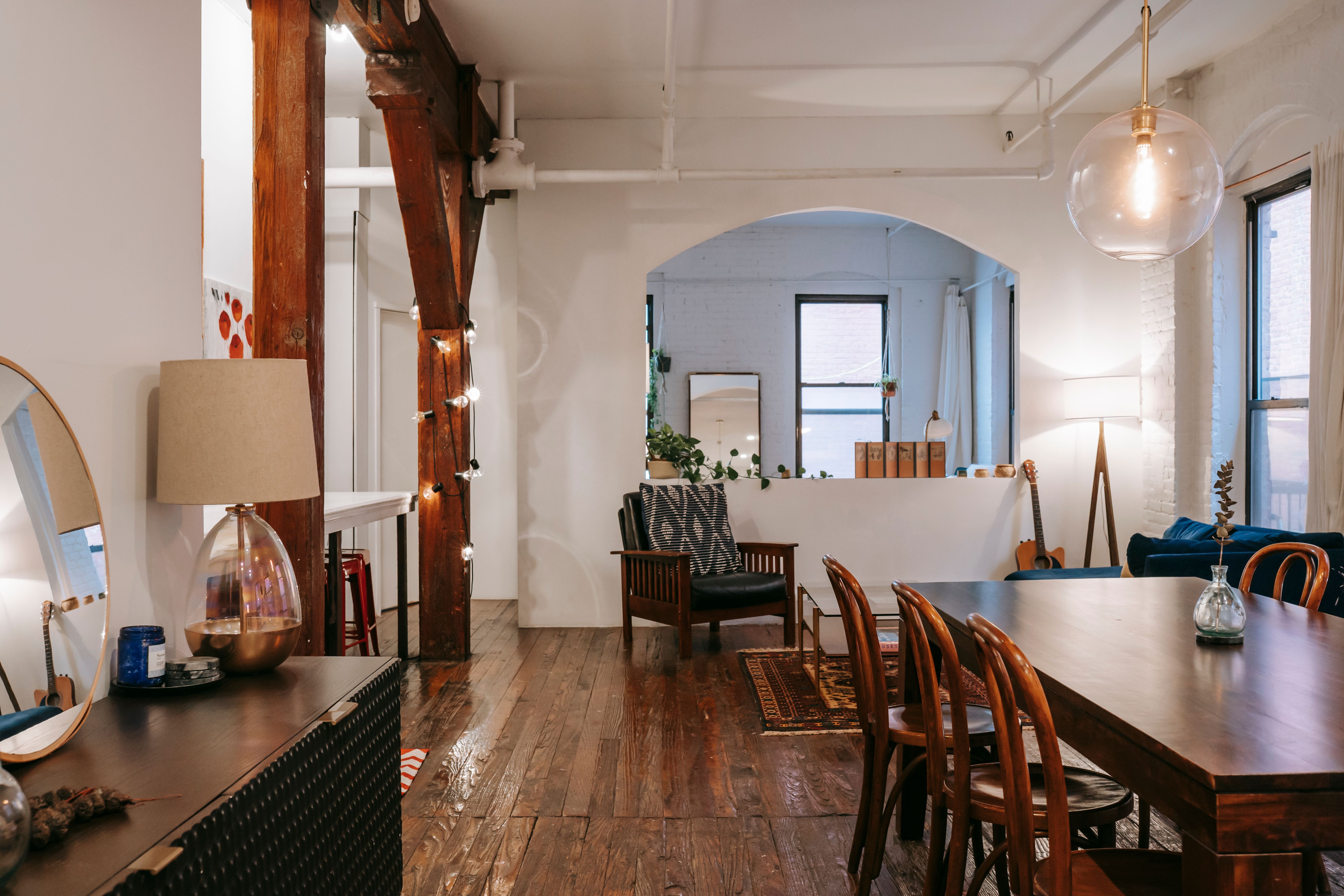
A hundred entries. This is the last one. Over the last several months, this series has looked, one subject at a time, at what it means to keep a home in modern India. The pantry and the wardrobe. The rains and the winter. The dining table and the kitchen counter. Ageing parents and school holidays. The scent of ghee burning in an evening lamp and the specific quality of light on a December afternoon. Each entry took one small subject seriously.
What none of the entries answered directly, though almost all of them circled it, was the underlying question. What, honestly, is a home for? Not the marketing answer, which is that a home is a lifestyle statement or a wellness sanctuary or an investment. Not the sentimental answer, which is that home is where the heart is. The actual question, held plainly: what is the thing that a home does, when it is doing its work?
This final entry attempts a direct answer. Not because the answer will be original or dramatic. But because the series has earned the right, after a hundred small pieces of attention, to say what all of it has been pointing at.
The question honestly asked
A short setup, because the phrasing matters.
What is a home for. The question sounds simple. It is not. It is, on inspection, one of the most disagreed-upon questions in modern life, and the disagreements matter because they produce different homes, different family lives, and different long-term outcomes for the people who live inside them.
The property investor answers: a home is an asset. The interior designer answers: a home is a personal expression. The wellness industry answers: a home is a sanctuary from the world. The marketing brochure answers: a home is where memories are made. The Instagram grid answers: a home is where a specific version of the household is displayed.
All of these answers are partly true. None of them, honestly examined, is the real answer. The series that has run over these hundred days has been an accumulated attempt at a different, more grounded answer. Not by proposing a theory in advance and defending it, but by taking a hundred specific small aspects of home life seriously and seeing what pattern emerged.
What a home is not
A short section, because clearing away the answers that do not hold is useful.
A home is not, primarily, shelter. Shelter is what a home also is, at its most basic. But most entries in this series were not about shelter; they were about the pantry, the light, the guest, the meal, the goodbye. If shelter were the answer, none of these would matter. A concrete box would do.
A home is not, primarily, display. The Instagram frame has produced a modern misunderstanding: that the home's function is to be seen. The home is a place where the family lives, not a set for photographs. Homes optimised for display are usually the worst homes to actually live in.
A home is not, primarily, a project. There is a specific modern tendency to treat home as a rolling renovation, always in the middle of an upgrade. This is fatiguing and mostly misses the point. Homes that are always being improved are homes that are not being lived in.
A home is not, primarily, a sanctuary. This word has been so used by the wellness industry that it now signals something slightly off. The home is not a retreat from the world; it is where the family actually lives its life, which includes the world in important ways: the guests, the news, the work, the people who visit and stay and leave.
Clearing these four away leaves the specific answer that this series has been circling.
The functions that emerged
A short attempt at synthesis, drawing on what a hundred specific entries pointed toward.
The home is the place where the household eats. Not just the meals but the rhythm of eating together, the family meal defended against the schedule, the practice of hosting, the pleasures of tea at four.
The home is the place where the household sleeps. Not the bare fact of sleeping but the quality of the bedroom, the discipline of the bed, the darkness that supports rest, the way the household transitions from day to night.
The home is the place where the household holds its people. Children growing up. Parents ageing. Guests visiting. The various specific relationships that require a specific physical container to happen well. The home is that container.
The home is the place where the household maintains its objects and experiences its seasons. The care of the wood, the tightening of the hinges, the polishing of the brass, the pre-monsoon check, the winter sun room. Small daily love expressed through infrastructure.
The home is the place where the household stores its memory. Not the walls but the specific arrangement of the specific objects that carry weight, the photograph that has been in the specific place for twenty years, the specific configuration of the shelves that everyone in the family knows without thinking.
And the home is the place where the household holds a small piece of sovereignty. It is one of the last domains of modern life where the household gets to decide what the norms are. The screens. The meals. The pace. The specific rules of the household are the household's to make.
All of these functions were the actual subjects of the series. Together, they suggest the answer.
A home is the specific physical container within which a family lives well, or does not. It is not neutral. It is either being made into an active participant in the family's good life, or it is being neglected into a place the family passes through on the way to other things. This is the whole argument, offered plainly.
What a good home does daily
A short specific section, because the answer is not abstract.
A good home, on any given day, does specific small things. It offers a good morning: the specific quality of the light, the tea that is well made, the space to be present with the day before it starts. It offers a good meal: the family meal, the specific attention to what is served, the small pleasures of eating together. It offers a good evening: the transition marked by the lighting of something at dusk, the wind-down that the household has practiced, the specific quality of the rooms at night. It offers a good sleep: the bedroom prepared for rest, the specific darkness, the temperature and the linens and the bed that supports the body.
This is what a good home does daily. It is not glamorous. It is small and specific and repeated. It is the accumulated result of the small attentions the series has recommended across a hundred entries.
What a good home does over decades
A short specific section on the longer time horizon.
Over decades, a good home does something much larger. It becomes the physical container of the family's specific accumulated life. The children who grew up there carry the specific memory of it. The parents who aged in it lived their later years inside its specific rhythms. The specific meals that were eaten, the specific guests who came, the specific evenings that mattered, all happened in this specific place.
A home that has done this well is not just a house. It is one of the specific quiet goods a life can produce. It cannot be bought. It cannot be shortcutted. It can only be lived into being through the small daily practice the series has been describing.
This is what the very-old home holds, when it holds it well. This is what the entries on ageing parents, on downsizing, on the home in old age, were pointing at. The final richness of a home is available only to the family that has kept it, well and quietly, over years.
The final principle
A home is the place where a life can be lived well. That is what a home is for. Not the display. Not the investment. Not the sanctuary. The specific ordinary place where the specific ordinary life of a specific family happens, day after day, and where the quality of that ordinary life is largely determined by the quality of the ordinary attention the family gives to the place.
This is not a dramatic answer. It is the actual answer. The home is the infrastructure of the good life, and the good life is built out of small specific attentions that add up to something over years. That is the whole thing.
The longer view
A hundred entries. Each one small. Each one specific. Each one about a small piece of home life that most people move through without much thought. The pantry, the ventilation, the wardrobe, the bed, the tea, the meal, the guest, the child, the season, and the season again. The specific small subjects, taken one at a time, taken seriously.
The argument, in the aggregate, has been simple. That homes matter more than the modern conversation credits them with. That the specific small attentions the family gives to the home add up, over years, to something meaningful. That the good home is not a purchase but a practice, available to any family willing to take it seriously.
What can be said, at the close, is that the small attentions are worth giving. Not because they will make the household's life dramatically different overnight. They will not. But because, over years, they compound into a specific quality of home life that the household would not have arrived at otherwise. This is the whole return on the practice.
The pantry that is well kept produces the meal that is well made produces the family that eats together produces the specific memory of the childhood produces the adult who knows what a home is. The chain is long and mostly invisible. Every link is a small daily practice. The series has been about those links, one at a time.
The Pinch mission, the reason a home concierge company exists at all, is this specific belief: that the small attentions matter, that most modern households are undergiving them because life is busy, and that specific help, offered well, can restore them to homes that have quietly let them lapse. This is not an argument for outsourcing. It is an argument for taking seriously the specific small work of home life, whether done by the household itself or with skilled help. The work matters. The home matters. What the home is for, in the end, is the good life of the specific family that lives inside it.
A hundred entries in. This is where the series ends. Thank you for reading.
Sevā Siddhi Sukham.