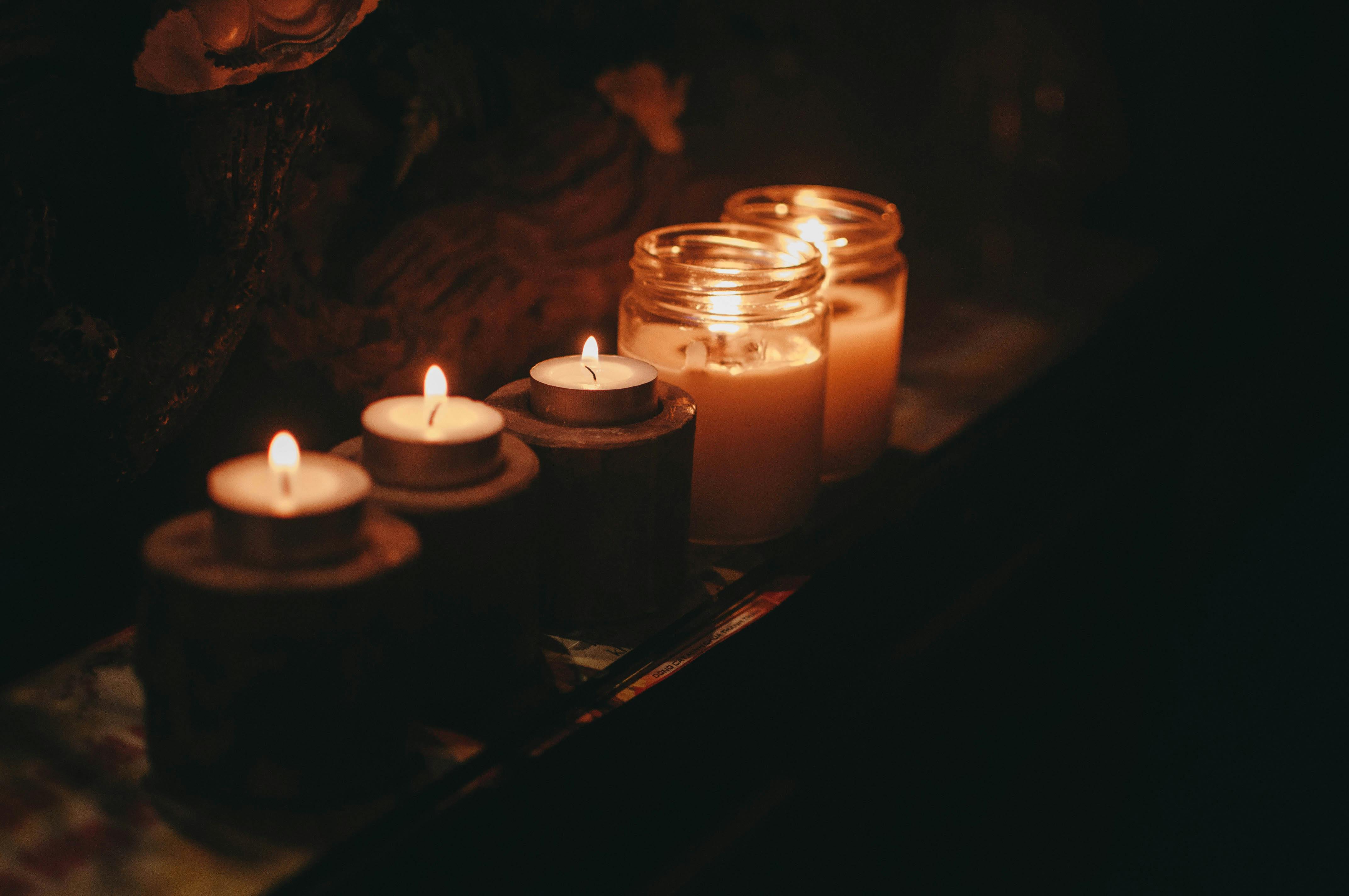
The scented candle has become, over the last fifteen years, a staple of the aspirational Indian home. The white pillar candle on the coffee table. The soy-wax jar candle from Bath and Body Works, or the Indian brands (Nicobar, No Nasties, The Land of Tea and Roses) that make more restrained versions. The tea lights in the small holders scattered around the living room. The larger scented candle by Diptyque or Jo Malone, kept for the specific occasions when the household wants to make an impression.
This is a recent development. The Indian home of the 1990s did not, generally, have decorative candles. The candles it had were functional: emergency candles for power cuts, birthday candles, occasional Christmas candles in Christian homes. The aesthetic candle, burned for atmosphere rather than function, was almost entirely absent.
The candle arrived in India as part of a broader import of lifestyle aesthetics from the West. It was not, however, arriving into a vacuum. The Indian home already had an evening lighting tradition, thousands of years old, that the candle displaced. This essay is about that older tradition, what the candle replaced, and whether the exchange was as clean as it appeared.
The diya tradition
A short historical note, because much of this has been forgotten.
The diya, the small clay oil lamp with a cotton wick floating in ghee or vegetable oil, is one of the oldest continuous lighting practices in human civilisation. Archaeological evidence traces it back at least four thousand years in the subcontinent. Every Indian home, until roughly the middle of the twentieth century, would have lit at least one diya at dusk. Some homes lit several: at the threshold, at the household altar, in specific corners of the courtyard. The lighting of the evening lamp was a specific daily ritual with religious, aesthetic, and practical dimensions all at once.
The lamp did several things simultaneously. It marked the transition from day to evening, from public to domestic time. It signalled that the household was in for the night. It offered a small light for the specific evening tasks (cooking, needlework, conversation) that did not need bright illumination. It participated in a specific religious frame: the flame as auspicious, the lighting as small daily prayer, the light as a form of welcome to the divine into the home.
None of this required belief in any specific theology to work. The diya was, first, a beautiful and functional evening lighting practice. The religious dimensions layered onto that base but were not required for the practice to make sense.
Why lamps were replaced
A short list.
Electric light. The single largest reason. From the 1950s onward, Indian homes progressively electrified. Once every room had bulb-lit ceiling fixtures, the small evening lamp lost its primary functional role. What had been necessary became optional.
Modernisation. The diya became associated, for a specific generation, with traditionalism and, sometimes, with the specific religiosity that mid-century secular urban Indians were trying to distance themselves from. Setting out the diya every evening felt, for these households, retrograde. The practice quietly stopped.
Practical friction. The diya requires clay lamps that need washing, wicks that need trimming, oil that runs out and needs refilling, and a small daily labour that the electrified household increasingly did not want to do. The candle, or later the electric decorative light, was less trouble.
The imported aesthetic. As Indian design magazines began publishing images of Western interiors in the 1990s and 2000s, the candle appeared as the specific atmospheric element these interiors used. Households wanting to build interiors that looked like the magazines imported the candles along with the sofas and the throws.
The specific quality of candle light versus lamp light
A short physical note, because the two are not the same.
Candle light is warmer and more variable than most electric light, which is one reason it remains popular. The flickering flame produces a specific quality of ambient light that fluorescent bulbs cannot reproduce.
Oil lamp light, however, is even more specific. The ghee lamp burns slightly different from the vegetable oil lamp, which burns different from the mustard oil lamp. The flame is smaller and more contained than a candle flame. The light is warmer, in the colour-temperature sense, and steadier once the wick is properly set. The specific fragrance of ghee burning is distinctive and, in the traditional Indian frame, considered auspicious.
The candle produces atmosphere. The lamp produces atmosphere plus a specific sensory signature that the candle does not. The household that has lit both, over years, will usually report that the lamp has a specific presence the candle does not achieve.
The candle imported the atmospheric intent of the older evening lighting practice without importing its specific texture. Something was gained. Something was lost. The household that has kept both, or that has returned to the older practice while retaining the newer, understands both parts of the exchange.
The scented candle industry
A short honest note, because this is where a lot of the aspiration currently sits.
The scented candle, in its current form, is a specific consumer product with a global industry behind it. The high end (Diptyque, Jo Malone, Cire Trudon) sells candles at three to six thousand rupees each. The middle market (Bath and Body Works, Yankee Candle) at eight hundred to two thousand. The Indian brands (Nicobar, No Nasties, and others) have entered the space at similar price points to the middle market.
The industry has specific economics. Wax is cheap. Fragrance oil is the primary cost. Packaging and brand build most of the price. The margin on a good scented candle is substantial, which is why the industry has been growing at fifteen to twenty percent annually in India.
The candles do produce specific atmospheric effects. The good ones (proper soy wax, high fragrance load, clean burn) do fill a room with a specific mood that the household enjoys. The bad ones (paraffin wax, synthetic fragrance, poor burn) produce a specific smoke and often a headache.
For the household spending meaningfully on candles, some working principles. Soy wax over paraffin (cleaner burn). Cotton wicks over metal-core wicks (no lead concerns, cleaner burn). Higher fragrance load rather than lower (actually produces atmosphere rather than just visual candle). Trimmed wicks (quarter inch, before each burn) for a proper flame rather than a smoky one.
The diya still worth keeping
A short suggestion.
The Indian home does not have to choose between the diya and the candle. Both can be present, doing different things. The candle can be the atmospheric element of the living room in the evening. The diya can be the specific evening ritual at the threshold or at the small household altar.
A working practice for households wanting to restore the diya. A small brass or clay lamp, kept in a specific place. Ghee (not oil, if the household can afford it; ghee burns cleanest and has the specific auspicious quality). A cotton wick, twisted properly. Lit at dusk, every day, as a specific small daily ritual. The lamp burns for the hour or two it stays lit, then is allowed to burn out or gently extinguished.
This practice takes about two minutes daily. It costs almost nothing. It restores a specific evening ritual that has been lost in most Indian homes over the last two generations. And it produces a specific atmospheric quality that no candle, however expensive, quite reproduces.
The evening lighting ritual
A short broader note.
The specific practice of evening lighting, whether by candle or by diya, matters beyond the physical light produced. The ritual marks a transition. It shifts the household from day-work mode to evening mode. It slows the pace. It brings a specific attention to the atmospheric quality of the home.
The household that lights something (a candle, a diya, both) at dusk every day has, over years, built a specific daily discipline of noticing the transition to evening. This discipline shows up in the quality of the evening itself: more attentive, slower, more present.
The household that has electric lights come on automatically at sunset (as many modern homes now do) has not built this discipline. The evening arrives with a click. Something has been lost.
The longer view
The candle in the modern Indian home is not itself a problem. It is a specific import that has, in most cases, brought some pleasure and some atmospheric quality that the household enjoys. What is worth noticing is what the candle quietly replaced, and whether the replacement was as complete as it appeared.
The diya was not just a lamp. It was the specific object at the centre of a specific evening ritual, one that carried religious, aesthetic, and practical meaning simultaneously. The candle imported the atmosphere without the ritual. The atmosphere is a real gain. The ritual, mostly, is a real loss.
The household that has kept both, or that has returned to the older practice while retaining the newer, has the fullest evening lighting practice available to the Indian home. The candle for atmosphere in the living room. The diya at dusk as the small daily ritual. Neither displacing the other. Both doing what each does best.
This small combination, restored in a home that had drifted away from it, is one of the specific quiet pleasures the essay series has recommended repeatedly across its hundred entries. It costs almost nothing. It requires almost no work. It participates in a tradition thousands of years old while remaining fully compatible with contemporary domestic aesthetics. It is available to any household willing to spend two minutes at dusk on a specific small practice. That is a small ask, and the return, over years, is meaningful. The evening lit with attention, whether by ghee or by soy wax, is a different evening than one that arrives on a timer switch. The household that has recognised this has recovered something worth recovering.