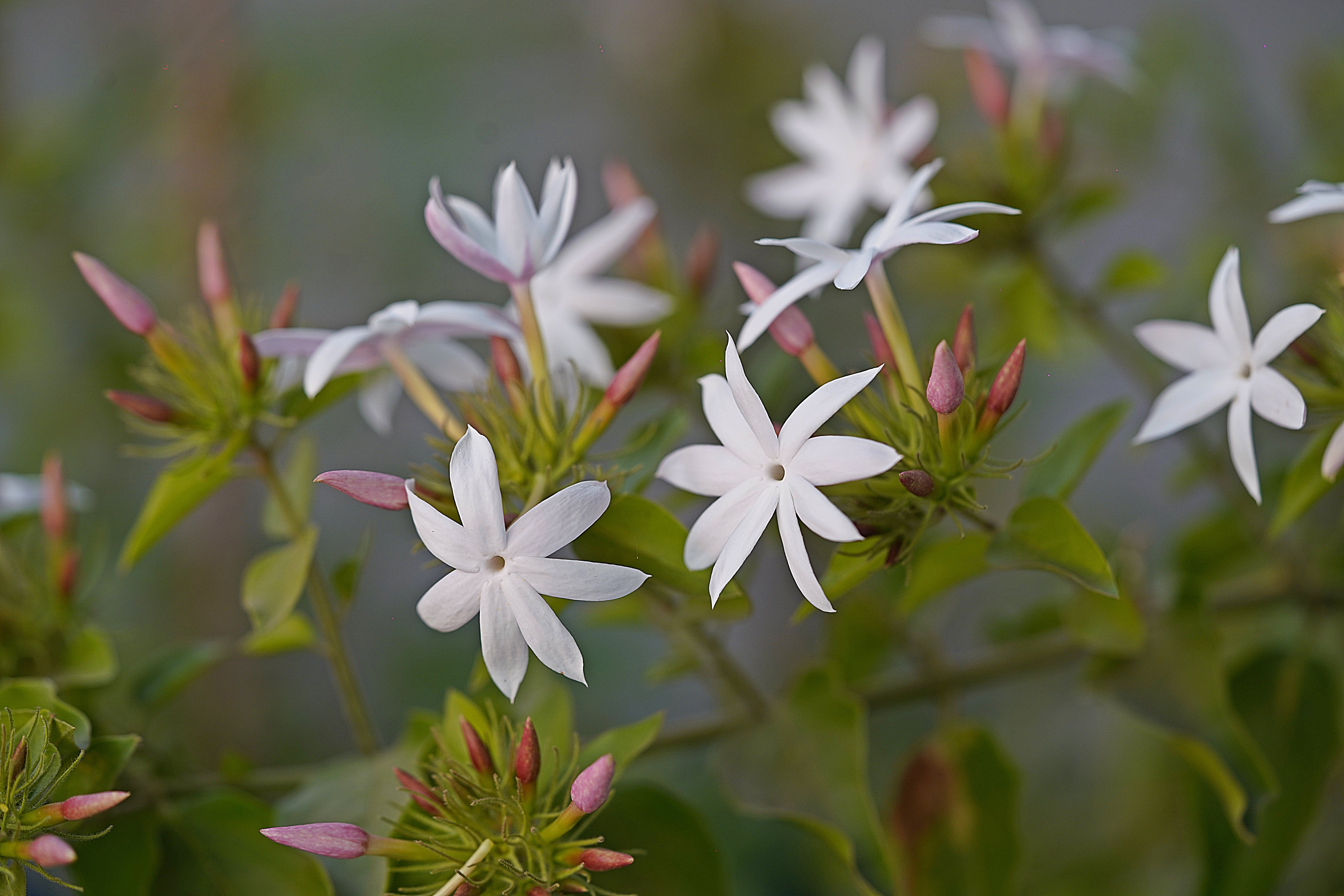
A home, over the course of a year, smells of several different things, whether the household notices or not. The mango on the counter in May. The petrichor and wet earth of June. The dampness fighting silica gel in July. The marigold and sandalwood smoke of October. The mustard oil being warmed in December. The first jasmine of February. Each season has its register, and a home tuned to the seasons smells different in each, without much effort from the household.
The modern Indian home, in many cases, has unintentionally erased this. The air conditioner runs ten months a year, sealing the home against the outside air. The same synthetic room freshener, sprayed in every room, imposes a single scent that has no relationship to whether it is May or November. The candles burned are the same lavender or vanilla regardless of season. The home, scent-wise, is in a permanent indoor June, regardless of what is actually happening outside.
This essay is about what is lost in that flatness, and about the small adjustments a household can make to let the seasons back into its scent vocabulary. The argument is not for elaborate intervention. The argument is for noticing what the season already offers, and for sometimes amplifying it through small choices.
What each season actually smells like
A short tour of the Indian year, as a household with windows open and a small attention to scent would experience it.
Spring, the brief window in February and March before the heat begins, smells of jasmine and mogra, of the first mango blossoms, of the slightly drier earth as the winter damp recedes. The home in this season, with windows open in the morning before the day warms, fills with a particular brightness of scent that is the year's briefest.
Summer, from April through early June, smells of mango most of all. The fruit on the counter, ripening over days, releases a heavy sweet note that no candle can match. The summer home also smells of the cooling foods the kitchen produces: the bel sherbet, the rose water in the lassi, the buttermilk left out to ferment slightly. The dust of the dry season is present too, faintly mineral.
Monsoon, beginning in June and lasting through August in most of India, smells of wet earth above all. The petrichor, the technical term for the smell of soil after rain, is one of the year's strongest and most universal scents. The monsoon home also smells of the wet leaves outside, the slight mustiness of cupboards, the ginger in the masala chai that is suddenly drunk three times a day, the pakoras on a rainy evening.
Autumn, the brief crisp window in September and October, smells of festival: the marigold for Dussehra, the sandalwood smoke for Diwali, the diyas with their mustard oil burning, the sweets being made for distribution. The autumn home, even without intentional intervention, accumulates these scents.
Winter, in north India most pronouncedly, smells of woodsmoke from the small fires lit outside in the morning, of the gajar ka halwa being slow-cooked, of the citrus on the table (oranges, mandarins), of the slightly drier air that holds scents longer than the humid monsoon air does. The winter home in the morning, with the steam from chai rising and the smell of the kitchen working, is one of the year's most evocative.
The home that smells of its season is one of the more grounded places to live. It connects the household to where it is and what time of year it is, in a sense that the climate-controlled flat with permanent vanilla candles cannot quite match.
What gets lost in flatness
The home that has imposed a single scent across the year, through air conditioning, synthetic fresheners, and seasonally-disconnected candles, has lost something specific. The household no longer has a small daily reminder of the time of year. The walking into the home, when the season is fully in it, no longer registers as different from walking in three months ago.
This loss is small per day. Over years, it accumulates into a particular thinness of experience: the household lives in a home that, scent-wise, is the same in May as in November. The texture of the year is, in this small way, flattened. The household member who, in childhood, knew the smell of mango summer and the smell of monsoon and the smell of winter chai, has lost access to that vocabulary in their own adult home.
The synthetic room fresheners are a particular culprit. The Glade and Ambi Pur and Odonil that most Indian households spray daily impose a chemical scent that has no relationship to anything in the actual season. The home smells of "fresh linen" or "spring meadow" regardless of whether it is twenty degrees outside with petrichor in the air, or thirty-five degrees with mango on the counter. The fragrance is a small lie the household tells itself about its own air.
What to do, lightly
The argument is not for elaborate seasonal scent management. The argument is for small permissions and small choices.
Open the windows when the weather allows. The single most powerful thing a household can do to let the season's scent into the home costs nothing. An hour in the morning, an hour in the evening, with windows open, lets the actual air of the actual season into the actual home.
Skip the synthetic freshener. The home that has stopped spraying chemical scent has, in some sense, taken the first step. The home no longer smells of synthetic chemicals; it smells of itself, and itself smells of whatever the season is doing.
Let the kitchen contribute. The food the household cooks in each season carries scents that contribute to the home: the cumin tempered in oil, the cardamom in the chai, the mustard oil warming, the rose water in summer drinks. The kitchen open to the rest of the home, rather than sealed in a closed kitchen, lets these scents migrate.
Choose scented things in season. The candle the household chooses to burn, the incense it lights, the flowers it buys, can each be season-aligned. The sandalwood candle in October. The jasmine garland in February. The vetiver in summer (the khus mat soaked in water, the traditional Indian summer scent). The household member at the flower shop can ask what is in season and let that guide the choice, rather than buying the same lavender every time.
The flowers of each season
A small expansion worth offering, because the seasonal flower is the single most accessible way to bring scent into the home, and India has one of the richest flower calendars in the world.
The mogra and jasmine of late winter and spring. The garlands of mogra strung up in the morning, the gajra worn in the hair, the small bowl of jasmine kept by the bedside. These flowers, more than almost any other, define the late-winter Indian home, and their season is brief.
The marigold of monsoon and autumn. The genda phool, used in garlands and decorations, with its distinctive sharp scent. The marigold is, in some sense, the year's most decorative flower, present at every festival from August through November, and its scent carries with it the entire texture of the festival season.
The rose of winter. The deep red Indian rose, which blooms strongly in the north Indian winter, in colours and intensity the imported roses of summer cannot match. The household with a small vase of these on the dining table through January and February has filled the home with one of the year's most refined floral notes.
The tuberose of summer evenings. The rajnigandha, with its night-blooming intensity, traditionally placed near the entrance for evening guests. The summer evening with a tuberose spike in a tall vase, even one stem, transforms the room.
The household that visits the local flower market or street vendor weekly, and buys whatever is in fresh and abundant supply, is letting the season's flowers carry the scent calendar of the home, almost effortlessly.
The longer view
A home that smells of its season is one of the small pleasures of paying attention to where you live. The household that has, even partially, recovered this is connected to the year in a way the flat-scented home is not. The walking into the home becomes, each season, a small specific experience, rather than a generic one.
The argument is finally about texture. The home with the same scent in May as in November has had its year smoothed flat. The home that holds the season's scent, even briefly, even imperfectly, has access to four or five different homes across the year, each its own particular place. The household that has experienced this once typically does not want to go back.
The opening of the window. The skipping of the chemical spray. The cooking of the food in season. The flower bought in the market that morning, in the variety that is in bloom now. These are small interventions, each costing nothing, each available to any household. The cumulative effect, year after year, is a home that knows what time of year it is, and that quietly reminds the household of the same. This is, in the end, all that scent in a home is for: to mark, gently, where the household is in the year, and to give the year its small specific texture as it passes through.